

7 Facial Benefits and How Often to Get One
A facial is a professional skincare treatment that cleanses, exfoliates, hydrates, and supports healthier-looking skin. The benefits of a facial can include smoother texture, clearer pores, improved moisture, and relaxation. The right treatment depends on your skin type, goals, sensitivities, and whether a licensed professional is providing personalized care.
What Are the Benefits of a Facial?
A facial can be both a practical skincare service and a restorative self-care experience. While results vary by person and treatment, regular professional care may help support your skin in several ways:
- Deeper cleansing: A facial can remove surface buildup, excess oil, sunscreen residue, and impurities that daily cleansing may leave behind.
- Gentle exfoliation: Exfoliation helps lift dead skin cells, encouraging a softer, smoother appearance.
- Improved hydration: Moisture-focused products can temporarily leave dry or tight skin feeling more comfortable and supple.
- Smoother-looking texture: Professional products and techniques may help skin look brighter and more even.
- Personalized care: An esthetician can select products and steps based on your current skin concerns.
A facial does not replace a consistent home routine or medical treatment for a skin condition. However, it can complement daily care and make it easier to understand what your skin needs.

How Can a Facial Help Your Skin?
The most noticeable facial benefits often come from combining several steps in one appointment. A professional may begin by cleansing the skin, then assess its condition before choosing exfoliation, masks, massage, serums, or moisturizer.
A cleaner, fresher feel
Professional cleansing can be useful after periods of heavy product use, sweating, travel, or environmental exposure. It may help remove residue from the skin’s surface without requiring harsh scrubbing at home.
Support for dry or dehydrated skin
Dry skin lacks oil, while dehydrated skin lacks water; they are not exactly the same concern. A hydrating facial may use humectants, emollients, and occlusive ingredients to help the skin feel softer and more comfortable. Ask which products will be used if you are sensitive or prone to irritation.
A temporary glow
Many people schedule a facial before an event because gentle exfoliation, hydration, and massage can create a temporarily brighter, more refreshed appearance. For important occasions, book early enough to allow any redness to settle rather than trying a new treatment the day before.
Who Should Consider a Facial?
Facials may be worth considering if you:
- Want help choosing products for your skin type
- Experience occasional dryness, dullness, or surface congestion
- Prefer guided skincare rather than experimenting at home
- Enjoy professional relaxation and routine self-care
- Are preparing for a special event and want a refreshed appearance
A consultation is especially valuable if you have persistent acne, rosacea, eczema, unexplained redness, unusual sensitivity, or a history of allergic reactions. A facial provider may recommend a gentler service or suggest speaking with a dermatologist before treatment.
How Often Should You Get a Facial?
For many people, a facial every four to six weeks is a reasonable starting point because that schedule fits a typical skin renewal cycle. The best frequency depends on your skin, treatment type, budget, season, and home routine. Some people benefit from monthly appointments, while others prefer a facial every two to three months or only before events.
Consider this general guide:
- Every 4–6 weeks: A common maintenance schedule for people who enjoy regular professional skincare.
- Every 6–8 weeks: A practical option for normal, combination, or mildly dry skin.
- Every 2–3 months: Suitable for occasional maintenance or seasonal refreshes.
- As recommended: Follow professional guidance after stronger exfoliation or specialized treatments.
More frequent appointments are not automatically better. Over-exfoliation or repeated intensive treatments can leave skin irritated, dry, or more reactive. Your provider should adjust the plan when your skin changes.
What Happens During a Facial?
Although services vary, a basic facial commonly includes:
- Consultation: You discuss your goals, products, allergies, medications, and recent procedures.
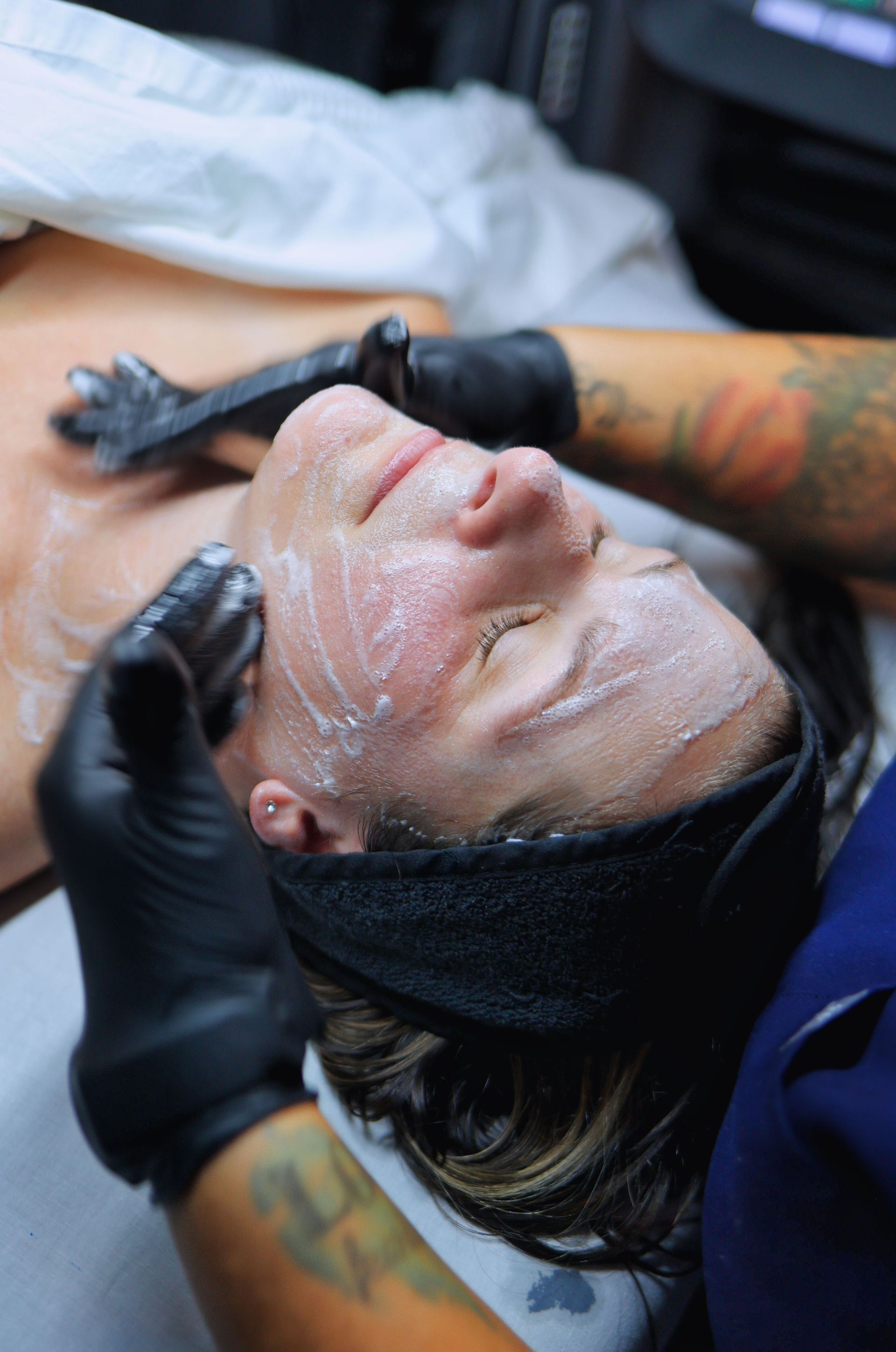
- Cleansing: The provider removes makeup, oil, and surface residue.
- Skin assessment: The provider considers hydration, texture, sensitivity, and visible congestion.
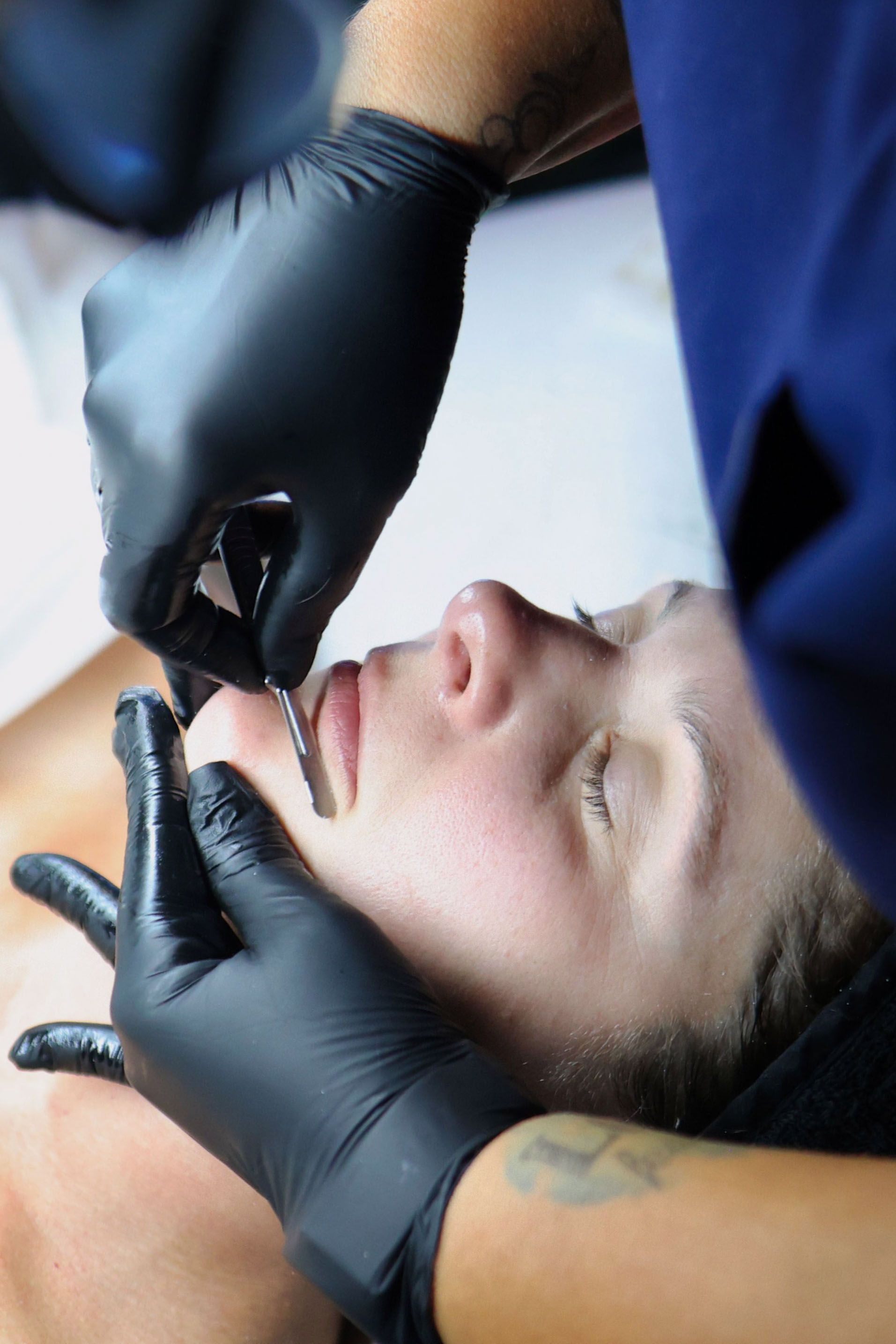
- Treatment: This may include exfoliation, a mask, steam, massage, extractions, or targeted products.
- Finishing care: Moisturizer and sunscreen may be applied, along with simple aftercare instructions.
Not every facial includes extractions or steam. Those steps may not be appropriate for everyone, so ask what is planned before the appointment. You should also share information about retinoids, exfoliating acids, recent waxing, injectables, laser treatments, or prescription skincare.
Which Facial Is Right for You?
The best facial is not necessarily the most intense one. It is the treatment that fits your current skin condition and goals.
- Hydrating facial: Designed for skin that feels tight, rough, or uncomfortable.
- Deep-cleansing facial: Focuses on cleansing and surface congestion.
- Brightening facial: Uses carefully selected ingredients to support a more radiant appearance.
- Sensitive-skin facial: Uses fewer potential irritants and gentler techniques.
- Customized facial: Combines appropriate steps after an individual consultation.
If you are unsure, start with a basic consultation and conservative treatment. A reputable provider should explain expected results, possible temporary redness, and what to avoid afterward.
How Should You Prepare for a Facial?
Preparation can help reduce irritation and make the appointment more comfortable:
- Arrive with clean skin when possible, but do not aggressively scrub beforehand.
- Tell the provider about allergies, medications, active breakouts, and recent procedures.
- Avoid trying new strong exfoliants immediately before your appointment.
- Ask whether you should pause retinoids or acids; do not stop prescribed products without professional guidance.
- Schedule enough recovery time if you are receiving extractions or a more active treatment.
Afterward, keep your routine simple. Use gentle cleanser, moisturizer, and broad-spectrum sunscreen. Avoid picking at the skin, intense exfoliation, or unnecessary heat if your provider recommends a short recovery period.
Are Facials Safe for Everyone?
Facials are generally well tolerated when performed by a qualified professional, but no treatment is risk-free. Temporary redness, sensitivity, dryness, or breakouts can occur, particularly after exfoliation or extractions. Tell the provider if your skin is currently sunburned, irritated, broken, infected, or experiencing an unexplained reaction.
Postpone treatment and seek appropriate medical advice if you have an active skin infection, significant inflammation, or a condition that has not been evaluated. If you are pregnant, taking medication that affects skin sensitivity, or recovering from a cosmetic procedure, ask your healthcare professional whether a facial is appropriate.
Facial Benefits: What Should You Expect?
Facials can improve how skin looks and feels, but results are usually supportive and temporary rather than permanent. A single appointment may provide softness, hydration, and a refreshed appearance. Longer-term skin goals usually require consistent home care, sun protection, realistic expectations, and a treatment plan suited to your needs.
Key Takeaways
A facial can provide deeper cleansing, gentle exfoliation, hydration, smoother-looking texture, and personalized skincare guidance. For many people, booking one every four to six weeks is a useful starting point, but less frequent visits may be enough. Choose a treatment based on your skin’s current condition rather than selecting the strongest option. Before booking, discuss sensitivities, medications, recent procedures, and your goals with a qualified provider. Then support the results with gentle cleansing, moisturizer, sunscreen, and a consistent home routine.